







Search Results for: discrimination controversy

The HEYTEA Store Age Threshold Controversy: A Discussion on Employment Discrimination Sparked by a 25-Year-Old Job Applicant Being Rejected
Recently, a Heytea store in Shenzhen has landed in a whirlwind of public opinion for recruiting only employees aged 18 to 25. After a job seeker over 25 was rejected, it sparked heated discussion among netizens. Some criticized it as blatant age discrimination, while others believed that because work at milk tea shops is intense, companies have the right to choose freely. Behind the incident, it reflects the widespread preference for the "youth dividend" in the current job market, as well as the difficulties faced by middle-aged job seekers. Legal professionals pointed out that such a practice is suspected of violating the Labor Law and the Employment Promotion Law, and the Shenzhen Federation of Trade Unions also spoke out in criticism. Heytea responded that it was a communication deviation at a single store. Who is right and who is wrong in this controversy? Will young people over 25 still continue to drink Heytea? [more…]
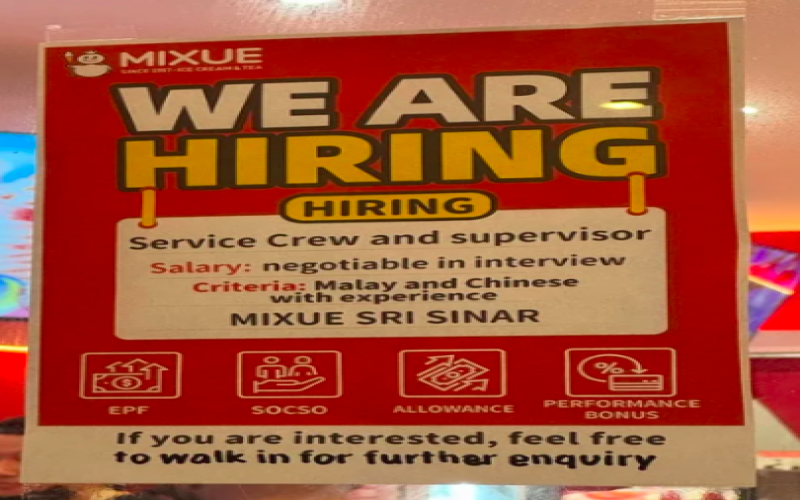
Racial Controversy Erupts Over Hiring Conditions at Mixue Malaysia Stores, Company Responds Indirectly with Unity-Themed Content
Recently, a Mixue store located in Segambut, Malaysia, came under scrutiny from netizens due to a job advertisement that specified "experienced Malays and Chinese are required," which was accused of being racially discriminatory. As a multi-ethnic nation, Malaysia's main ethnic groups include Malays, Chinese, and Indians. The poster believed that this requirement excluded Indians and other ethnicities, which was unfair. The incident quickly went viral on social media, sparking widespread discussion. Some netizens criticized the brand's inappropriate practice and called for a boycott, while others argued that the controversy stemmed from a misinterpretation of the language proficiency requirement. Notably, Mixue did not directly respond to the controversy but instead released a series of promotional content themed "United as One," showcasing employees of diverse races, seemingly intending to emphasize its inclusiveness. [more…]
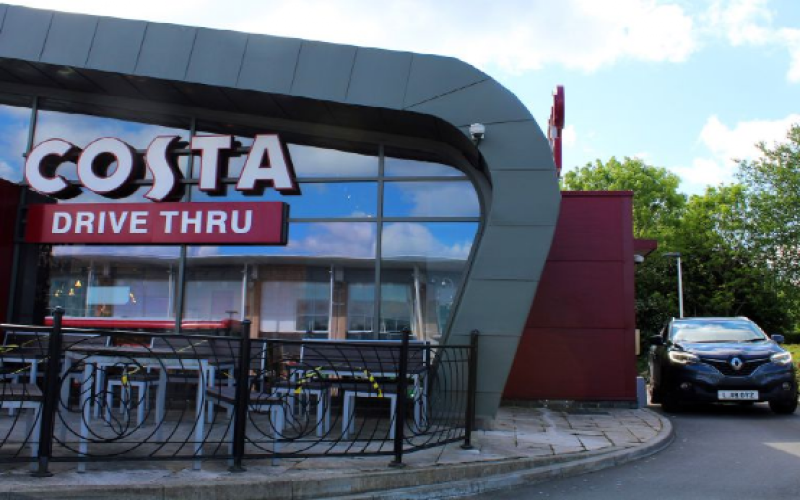
Costa Drive-Thru Refusing Cyclists Sparks Controversy: Reasonable Policy or Discrimination?
In recent years, the grab-and-go consumption model has become increasingly popular, and many food and beverage brands have opened "drive-thru" lanes for this purpose. However, a cycling enthusiast was refused service at a Costa store in Scotland, on the grounds of "not being in a motor vehicle." This is not the first time Costa has sparked controversy over a similar incident. An almost identical situation occurred in 2020, when Costa explained that bicycles are not taxed or insured in the same way as motor vehicles, and was immediately rebutted by the British Cycling Federation. Behind the incident lies the delicate balance between convenience and fairness in drive-thru service. Front Street Coffee takes you through this hotly debated incident. [more…]

Luckin Coffee's collaboration with "Black Myth: Wukong" sparks controversy, with IP gender discrimination backlash becoming the focal point.
Luckin Coffee recently officially announced a co-branding partnership with the domestic single-player game Black Myth: Wukong, with the limited-edition drink Soaring Americano and themed merchandise set to launch soon. The news quickly trended on social media, and players were eagerly anticipating it. However, as the collaboration gained traction, some netizens dug up past sexist remarks made by the game's core creative team, sparking widespread controversy. Some believe that while Luckin's move can ride the momentum of China's first AAA blockbuster, it could also suffer backlash due to the public opinion storm surrounding its partner. Is this collaboration a win-win or a risk? Let's take a closer look. [more…]
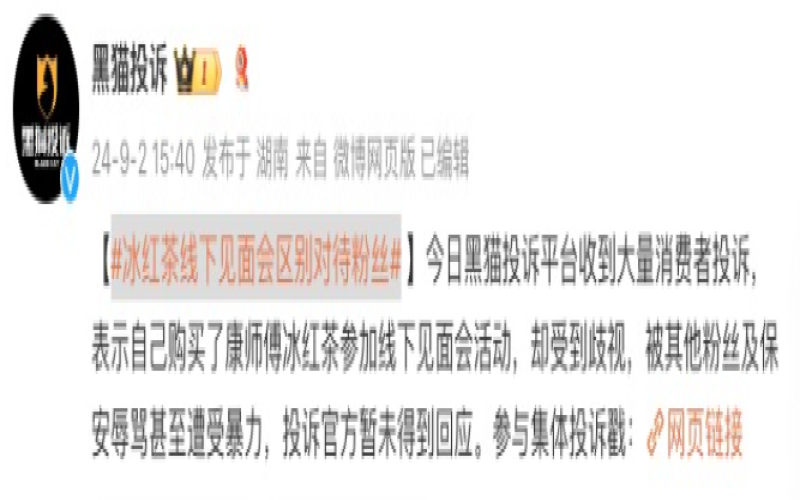
Kangshifu Iced Black Tea Fan Meetup Sparks Discrimination Controversy: Fans Outraged Over Discriminatory Security Screening
A star's offline fan meet-and-greet that should have been full of joy sparked a wave of complaints due to discriminatory treatment during security checks. After the Qingdao fan meeting of Wang Yibo, spokesperson for Master Kong Iced Tea, many consumers reported through the Black Cat complaint platform that on-site security guards only confiscated support items from a specific fan group, forced body searches, and even shone laser pointers into their eyes, while fans with green support items, who were also consumers, enjoyed different treatment. The brand has not yet responded, and the incident continues to ferment on social media, with various accounts differing. [more…]
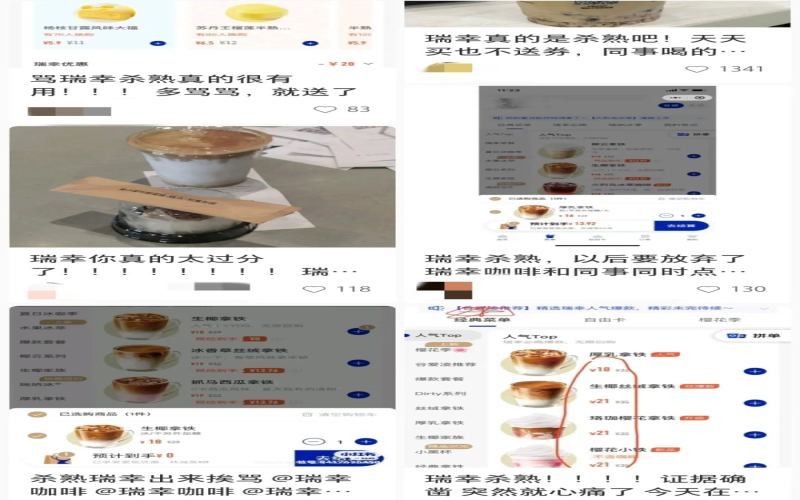
Luckin's Raw Cheese Latte Accused of Price Discrimination, Official Response Cites Comprehensive Factors
For professional coffee knowledge exchange and more coffee bean information, please follow Coffee Workshop (WeChat public account: cafe_style) For more specialty coffee beans, please add the personal WeChat of Front Street Coffee (FrontStreet Coffee), WeChat ID: qjcoffeex Recently, Luckin Coffee has been thrust into the spotlight over price discrepancies for its cheese latte. Some consumers reported that the same drink was priced vastly differently across accounts, ranging from 9.9 yuan to 18 yuan, sparking allegations of "big data price discrimination against existing customers." Luckin officially responded that the price differences stem from store operating costs and randomly issued system discounts, denying any price discrimination. However, this is not the first time Luckin has fallen into such controversy; as early as 2021, the media exposed similar cases. This article will sort through the course of the incident, the views of various parties, and the industry background, to explore the issue of price fairness in online consumption. [more…]
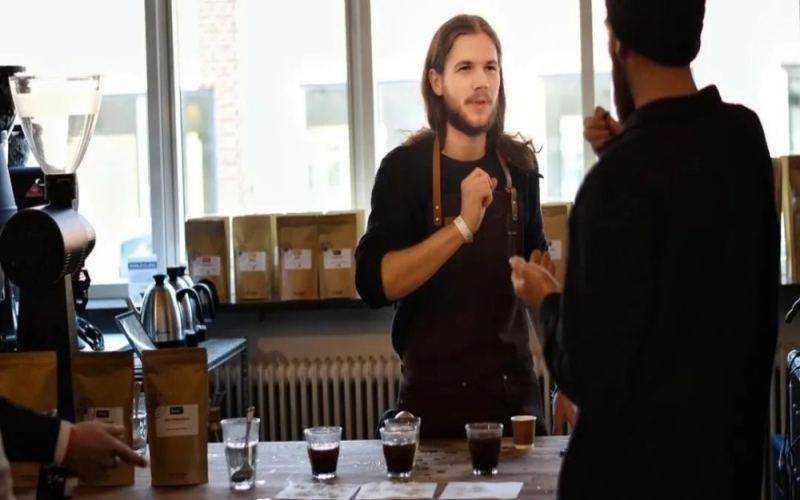
The US Bikini Coffee Shop Dress Code Controversy and Safety Incidents: From Marketing Tactic to Federal Court Ruling
In most people's perception, baristas usually present a neat and proper image, but in the U.S. state of Washington, some coffee shops use scantily clad female baristas as a selling point, offering drive-thru service. Since this bikini-style marketing was born in the 1980s, it has brought booming business while also continuously sparking controversy. Local governments have repeatedly introduced regulations restricting employee attire, only to have them ruled by federal courts as carrying a flavor of gender discrimination. After the dress code was abolished in 2021, baristas won the freedom to wear what they want, but not long afterward an attempted kidnapping targeting a store employee occurred, raising concerns about the safety of this kind of work environment. [more…]
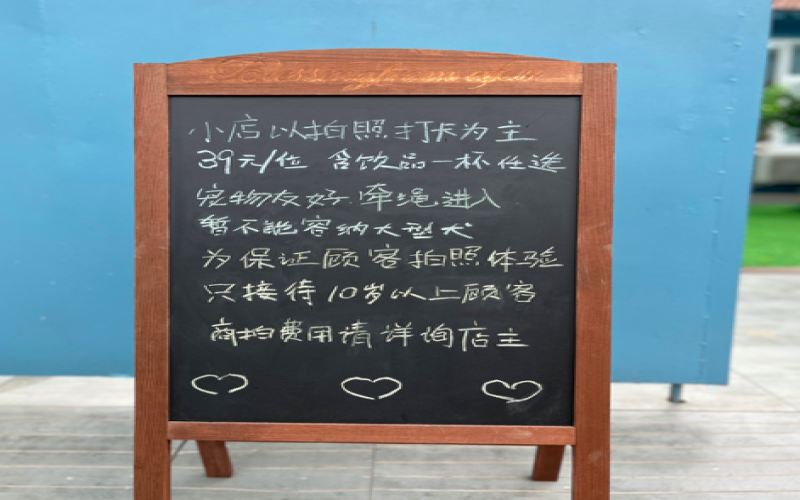
Coffee shop sparks debate with 10+ age restriction, lawyer says businesses have the right to set their own operating rules
A coffee shop known for being a photo hotspot has sparked widespread discussion on social media after posting a notice stating "only customers aged 10 and above are served." The owner says the move was a last resort, citing frequent incidents of children making noise, damaging facilities, and even creating safety hazards. Some parents are puzzled by the rule, arguing that 10-year-olds already have some self-control, while some netizens question whether it amounts to discrimination against children. In response, lawyers point out that businesses have the right to operate independently and can set reasonable rules based on their positioning, which does not constitute discrimination, but they suggest clearly explaining the reasons to gain understanding. Behind the incident lies the dilemma cafes face in balancing ambiance and customer experience. [more…]

The controversy over Mixue Bingcheng's 1-yuan ice cup continues to intensify, prompting the brand to issue an urgent apology and respond to the conflict between store service and costs.
Mixue Bingcheng's launch of the 1-yuan ice cup was intended to cater to summer consumer demand, but unexpectedly sparked multiple conflicts between consumers and store employees. Consumers reported difficulties in purchasing, encountering service discrimination, actual price increases, and even being forced to buy bundled products; stores and distributors complained about the high cost of ice, thin profits, and even losses. This controversy not only trended on social media but also forced the brand to issue an urgent apology. This article reviews the entire incident, analyzes the cost structure and operational difficulties behind the ice cup, and focuses on how the brand will subsequently balance consumer expectations with store profitability. [more…]
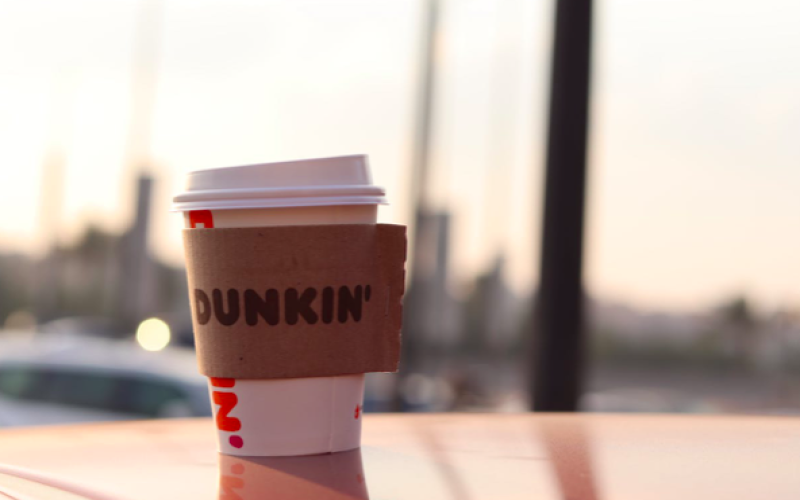
Dunkin faces class action lawsuit over surcharge on non-dairy drinks as pricing disputes continue to simmer in the US coffee industry
For coffee lovers who are lactose intolerant or allergic to dairy, plant-based alternatives such as oat milk and almond milk allow them to enjoy lattes without worry. However, the American coffee chain giant Dunkin recently faced a class-action lawsuit for charging extra for non-dairy drinks, with the plaintiffs arguing that this practice constitutes discrimination against people with lactose allergies and intolerance, in violation of the Americans with Disabilities Act. This is not the first time the U.S. coffee industry has faced legal disputes over plant-based milk pricing; Starbucks has also previously faced similar allegations. This article will review the course of events, the legal basis, and industry reactions, and explore the cost and fairness issues behind the controversy over non-dairy drink pricing. [more…]

Half Box Field Coffee's slogan sparks controversy among working mothers, reigniting debate over the boundaries of brand marketing
Recently, Half Box Farm Coffee has found itself in a public opinion storm due to a slogan on its product packaging: "Every working mom owes her child an apology." The slogan was criticized by netizens as discriminatory against working women. The brand's customer service explained that the original intention was to encourage mothers to spend more time with their children on weekends, but this failed to quell the controversy. As the incident continued to escalate, working mothers spoke out one after another, expressing their dissatisfaction with such copywriting. The brand has no flagship store on mainstream e-commerce platforms and sells only through Douyin, and its customer service responses have been vague. This storm not only exposed the brand's lack of sensitivity on gender issues, but also sparked discussions about the boundaries of marketing. For professional coffee knowledge exchange and more coffee bean information, please follow Coffee Workshop. For specialty coffee beans, you can add Front Street Coffee on WeChat. [more…]

Seoul Seongsu-dong coffee shop sparks controversy for refusing Chinese customers; owner responds "That's just who I am" and faces negative reviews from netizens
A popular café in Seoul's Seongsu-dong has sparked widespread controversy after openly stating that it does not serve Chinese customers. A Chinese netizen who has long resided in South Korea was asked about their nationality and then ejected simply for speaking Chinese while visiting the shop. After the incident came to light, the owner not only failed to apologize but responded on social media with "This is who I am," prompting netizens to leave a flood of negative reviews on Google Maps, Naver, and other platforms. The café's social media accounts have now disabled comments and direct messages. Front Street Coffee follows developments in the coffee industry and reminds every coffee lover that, wherever they are, they should enjoy coffee culture on the premise of respect and equality. [more…]

Canada's national coffee brand Tim Hortons faces boycott, vaccination requirements spark public backlash
Tim Hortons, a coffee chain long regarded as Canada's national pride, has recently found itself at the center of a public opinion storm over a summer camp vaccination policy. The hashtag #BoycottTimHortons quickly trended on Twitter, sparking widespread criticism and calls for a boycott. A policy requiring staff and campers participating in Tim Hortons Foundation Camps to be fully vaccinated against COVID-19 has become the focus of the controversy. Opponents launched a petition that gathered more than 20,000 signatures in just a few days, while supporters argue the move is intended to protect immunocompromised children. As the incident continues to escalate, Tim Hortons has yet to make a public response. [more…]
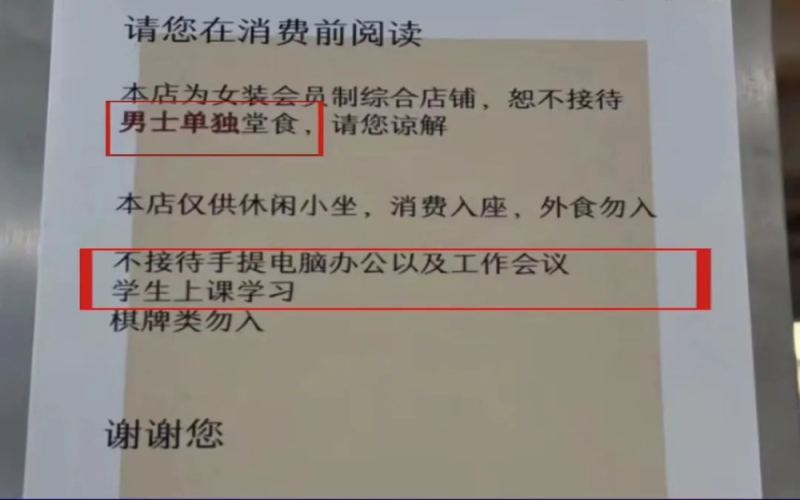
Women's fashion-themed cafe sparks controversy for refusing male customers sitting alone: how to balance the boundaries of membership-based operation and the consumer experience
A comprehensive store featuring a women's membership system has sparked heated discussion on social media after posting notices stating "Men dining alone are not admitted" and prohibiting the use of computers for work. Some customers made special trips only to be turned away for bringing laptops, while others who called 12315 were told the merchant had not violated any regulations. The store responded that limiting long stays was to avoid disturbing customers trying on clothes on the second floor, but some consumers felt it was inappropriate not to clearly inform them before charging. This debate over gender, consumption scenarios, and business autonomy reflects the real dilemmas composite-format coffee shops face regarding customer positioning and service boundaries. [more…]
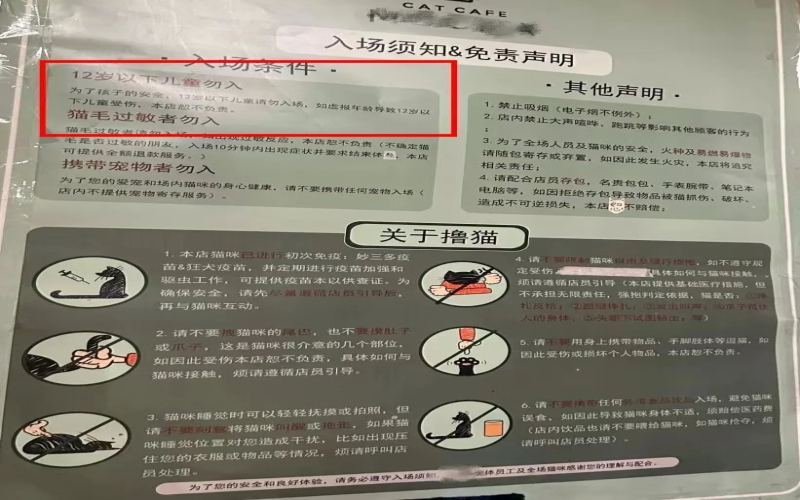
Coffee Shop's Refusal to Admit Young Children Sparks Heated Debate: Safety Consideration or Consumer Discrimination?
Recently, the topic of some coffee shops not admitting children has trended on Weibo, sparking widespread discussion. A cat café has a rule that children under 12 are not allowed to enter, with a strict ban on those under 6, citing concerns for children's safety. Many coffee shop owners have expressed similar stances: they hope to create a quiet space rather than restrict children's nature. Netizens have polarized views on this, with supporters believing that market segmentation is reasonable, while those concerned question whether it constitutes discrimination against consumers. Behind this debate lies the difficulty service industries face in balancing the needs of families with children and the desire for a quiet experience. Front Street Coffee has always focused on the intersection of coffee culture and social topics, and today we'll walk you through the ins and outs of this event. [more…]
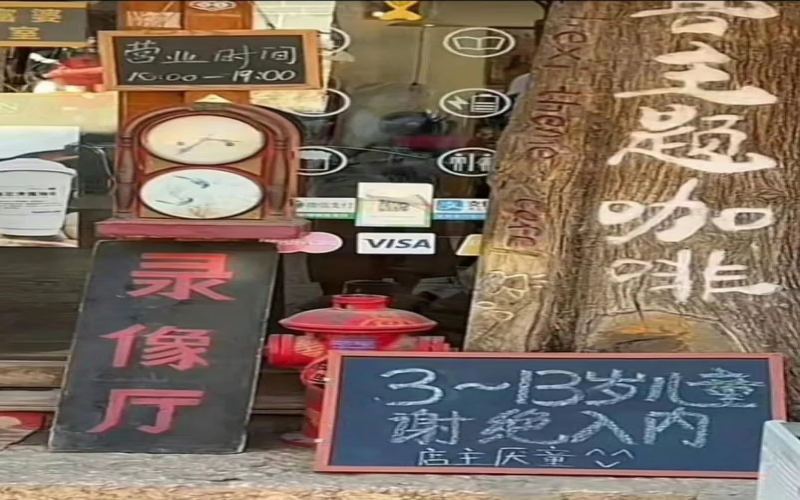
Cafés successively refusing entry to children sparks heated debate, South Korea's "no-kids zones" phenomenon also draws attention
Recently, two incidents of coffee shops refusing to serve children have caused a stir online. On one side, a coffee shop in China put up a notice at its entrance reading "Children aged 3 to 13 are not admitted," with the owner openly stating they "dislike children"; on the other, South Korea's increasingly common "No Kids Zone" has once again become a topic of discussion, with some establishments even posting signs reading "dog yes, kids no." Supporters argue that coffee shops are meant to stay quiet and that businesses have the right to avoid risks; opponents criticize the signs as discriminatory. What social nerves does this debate about "child aversion" actually touch? And what predicament of public space is reflected in the "bratty kids' parents" that young people complain about? [more…]
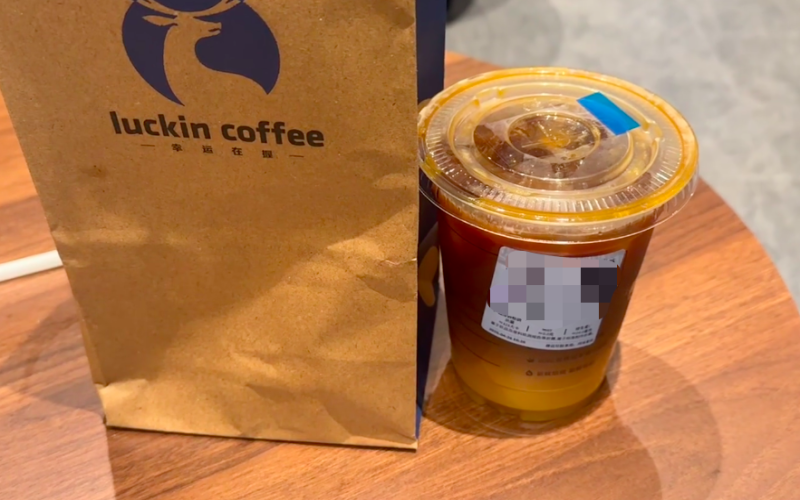
Same Cup of Coffee Costs Members More? Luckin Mini Program Accused of Differential Pricing Sparks Heated Debate
At the same Luckin Coffee store, for the same drink, different users may see prices on the mini-program that differ by several yuan—and paid members may even be charged more than regular users. Recently, some consumers told the media that they suspected they had been subjected to "big data price discrimination" when buying drinks at Luckin. A reporter's investigation found that the system pushes different coupons to different accounts, resulting in "a different price for the same cup of coffee for each person." This phenomenon has struck a chord with many netizens and sparked widespread complaints, prompting people to re-examine the value of loyalty programs offered by chain coffee brands. [more…]
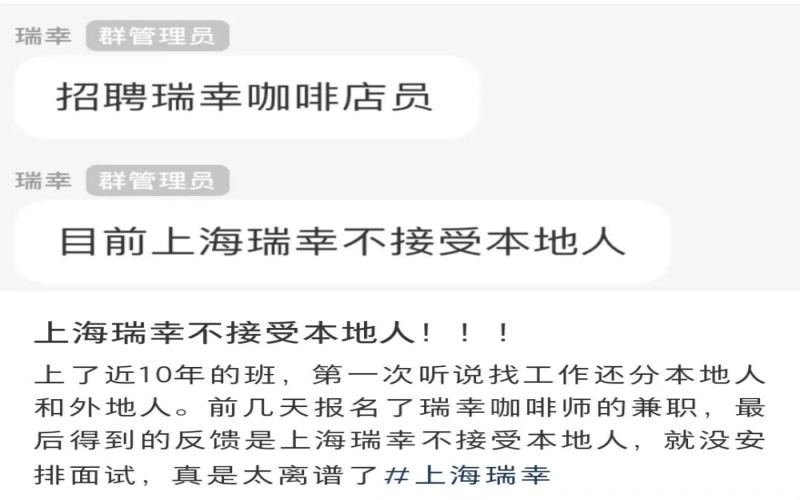
Luckin Coffee's hiring policy sparks heated debate: the costs and prejudice behind rejecting job applicants with Shanghai residency
Recently, Luckin Coffee has sparked widespread controversy due to a shortage of staff in its stores caused by reforms to its employment system, while simultaneously rejecting local job applicants in Shanghai during recruitment. A Shanghai netizen applied for a part-time barista position but was directly turned down because their ID number began with '310', with the reason given being 'currently Luckin in Shanghai does not accept locals'. This incident reflects companies' stereotypes about local job seekers—such as being 'unable to endure hardship' and 'demanding social insurance'—and also touches on practical considerations like high social insurance contribution bases and labor cost control. Against the backdrop of a simultaneous labor shortage and employment difficulties, is Luckin's recruitment strategy reasonable? And how should the rights and interests of local job seekers be safeguarded? This article will delve into the multiple factors behind this phenomenon. [more…]

A coffee shop in Guilin refusing entry to children under 12 sparks heated debate, with the owner citing safety concerns rather than discrimination
Recently, a coffee shop in Guilin, Guangxi, sparked widespread discussion on social media for prohibiting children under 12 from entering. Multiple consumers reported being turned away when bringing their kids to visit the shop, and in some cases, verbal conflicts with staff even led to police being called. Supporters argue that the coffee shop has the right to choose whom it serves, noting that children are not the primary customer base and may pose safety risks. Opponents question whether the rule disrespects children and customers with kids, and point out that the open areas of the shop lack guardrails, which poses risks even to adults. The shop responded that the policy is not discrimination but a safety consideration based on the open design of its terrace and viewing platform, noting that the actual area is only 100 square meters, so space is limited. The incident continues to draw attention, with opinions divided. [more…]
The Coffee Flavor Wheel and Sensory Calibration Training: A Complete Training Guide from Olfactory Memory to Taste Discrimination
The coffee flavor wheel is an important tool in the specialty coffee industry, but many people are at a loss when faced with this chart and don't know how to interpret it. This article systematically sorts out the development background and practical value of the coffee flavor wheel, and provides an in-depth explanation of specific methods for sensory calibration training—from the daily accumulation of aroma memory to the dual perception mechanism of taste buds and mouthfeel in taste discrimination. Only by building a personal flavor memory bank through scientific training can you truly understand a cup of coffee. The article also introduces the working principles of the tongue's two types of receptors, as well as the material basis behind smoothness and astringency. If you want to improve your tasting ability, this training method is worth studying repeatedly. [more…]